

Exploring India’s cultural memory through dance films
Through both films, she seeks to explore how dance can hold space for memory and imagination, and how movement allows us to revisit what we inherit and reshape it in the present.
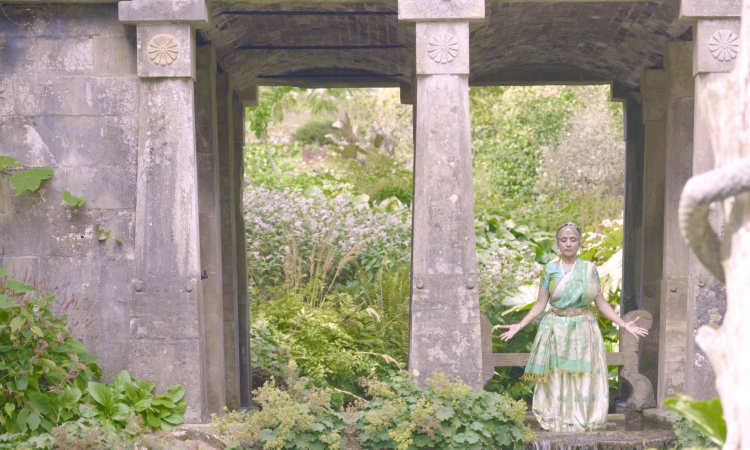
Stella Subbiah
The British Council, in collaboration with ArtSpire, presents an immersive morning of screenings and conversation featuring UK-based choreographer and creative practitioner Stella Subbiah on December 5 at the British Council premises. The event will showcase two of her acclaimed dance films, Indar Sabha and Krishna: Knave of Hearts, followed by a discussion with musician Vignesh Ishwar, who conceptualised the original music for the films.
Through her films, Stella Subbiah reinterprets Indian cultural narratives by bringing together movement, myth and memory. Rooted in Bharatanatyam yet influenced by theatre, literature, music, yoga and visual storytelling, her practice bridges tradition and contemporary imagination, creating work that honours heritage while embracing modern expression.
“My approach to these works is shaped by over three decades of exploring Bharatanatyam as a contemporary creative force - an art form that can hold complexity, history and lived experience without losing its classical integrity. Much of my choreographic journey has centred on questioning how tradition can speak to the present moment. In Krishna: Knave of Hearts, this meant shifting the focus from the divine Krishna to the human figure embedded in folk memory - a cowherd, a friend, a mischievous boy. By drawing on literature, Tamil oral traditions and the melodic simplicity of Nottuswarams, I wanted to reclaim the mortal Krishna who is often overshadowed by the godly icon. Indar Sabha emerges from my ongoing exploration of heritage as a lived, performed experience. When invited to create work at Sezincote for the Garden Museum’s literary festival, I was drawn to the site’s layered relationship with India, a place where tangible and intangible heritage intersect, and where colonial history, imagination and cultural exchange collide,” says Stella Subbiah.
Through both films, she seeks to explore how dance can hold space for memory and imagination, and how movement allows us to revisit what we inherit and reshape it in the present.